
Common problems with bulky rubbish access in Harringay flats
Posted on 22/06/2026
If you live in a flat in Harringay, bulky rubbish can become awkward very quickly. A sofa that looked manageable in the hallway suddenly feels impossible once you reach the stairs. A broken wardrobe blocks the landing. A mattress will not bend the way you hoped it would. These are the everyday realities behind common problems with bulky rubbish access in Harringay flats, and they affect far more people than you might expect.
This guide looks at what usually goes wrong, why access is such a big deal in flats, and how to make removals smoother without turning your building into a scene of mild chaos. We will also cover planning tips, safety concerns, compliance, and a few practical ways to save time and stress. To be fair, the hard part is rarely the rubbish itself. It is usually the route out of the building.
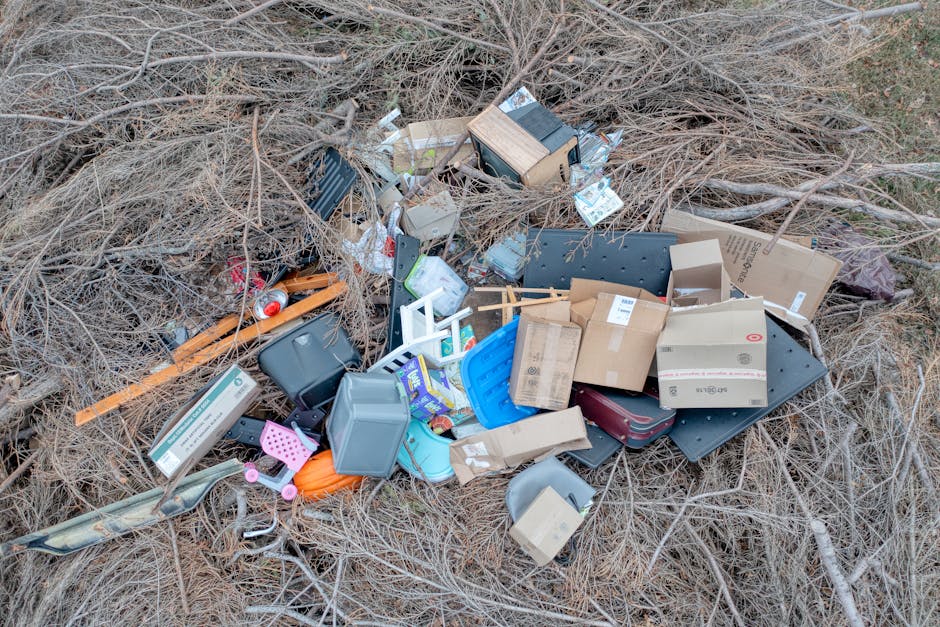
Why Common problems with bulky rubbish access in Harringay flats Matters
Access problems are not a minor inconvenience in a flat. They affect safety, time, cost, neighbour relations, and sometimes whether an item can be removed at all. In Harringay, where flats range from converted Victorian buildings to newer apartment blocks and purpose-built estates, the route from front door to collection vehicle can be narrow, steep, shared, or cluttered.
That matters because bulky items are often the least forgiving items to move. A fridge does not fold. A divan base catches on doorframes. A wardrobe can shift its weight unexpectedly halfway down a staircase. Once an item gets stuck, the whole job slows down. And if the item is left in a communal area even for a short while, it can create fire-safety or obstruction issues. Nobody wants that sort of phone call on a Tuesday evening.
It also matters financially. Poor access can change the labour needed, the number of staff required, the time on site, and whether a standard collection is still possible. In some cases, the real cost is not the waste at all, but the difficult carry, the awkward parking, or the extra coordination with building management.
If you are planning a wider declutter, this is especially relevant for flat clear-outs after a move, a refurbishment, or a long-overdue sort-out. You may also find it useful to read about waste clearance in Harringay ladder homes and flats, because many of the same access headaches show up there too.
How Common problems with bulky rubbish access in Harringay flats Works
At a simple level, bulky rubbish access is the process of getting large items from inside a flat to the collection point outside. In practice, there are several separate steps, and any one of them can become the bottleneck.
- Item assessment: The size, weight, shape, and condition of the bulky item are checked. A flat-pack wardrobe in pieces is very different from one that is still assembled.
- Route check: The path is reviewed from the room to the exit. This includes internal doors, stairwells, lifts, corners, landings, bins areas, and any front access restrictions.
- Vehicle access: The collection vehicle needs a sensible place to stop. On-street parking, narrow roads, loading limits, and basement access can all affect the job.
- Safe lifting and carrying: Items are removed using appropriate technique and enough people. A rushed carry is where damage and injuries happen.
- Sorting and disposal: Reusable, recyclable, and non-recyclable items are separated where possible. That is not just tidy; it is the norm for responsible handling.
In flats, the trouble usually starts before the item leaves the front door. You might discover that the staircase turn is too tight, that a lift is too small, or that the item needs partial dismantling. Sometimes the issue is as basic as a shared hallway being too narrow to stage the item safely. Simple problem, annoying outcome.
There is also the building rules side of things. Some blocks in and around Harringay have managing agents, entry codes, delivery windows, or restrictions on keeping items in communal spaces. If you skip those details, even a well-planned collection can stall.
If you are comparing waste handling options overall, the page on services overview is a useful starting point for understanding how different clearance needs are usually handled.
Key Benefits and Practical Advantages
When bulky rubbish access is planned properly, the benefits are immediate. You avoid delays, protect communal areas, and reduce the risk of items being damaged on the way out. That last one is easy to overlook. A scratched wall or chipped bannister can cost far more than the waste removal itself, and nobody wants to explain that to a landlord or managing agent.
There is also a quieter benefit: less stress. If you know in advance that a mattress needs two people, or that a sofa should be dismantled before collection day, the whole process becomes much calmer. You are not scrambling at the last second with a screwdriver and a growing sense of regret.
Other practical advantages include:
- faster collection times
- fewer risks of injury on stairs or landings
- less disruption for neighbours
- better odds of reuse or recycling where possible
- lower chance of surprise extra labour charges
For landlords, letting agents, and flat owners preparing for a move-out, those benefits stack up quickly. A flat left clear and tidy is easier to hand over, easier to clean, and easier to re-let. If you are dealing with larger household items too, our guide to furniture disposal in Harringay can help you think through the practical side.
Expert summary: The cleaner the access route, the smoother the bulky waste removal. In flats, planning the route is often more important than planning the load.
Who This Is For and When It Makes Sense
This matters for quite a few people, not just someone trying to get rid of an old sofa.
- Flat owners and tenants who are clearing out old furniture, white goods, or mixed household waste.
- Landlords and letting agents preparing a flat between tenancies.
- People moving home who need to reduce what they take to the next place.
- Property managers dealing with abandoned bulky items in communal areas.
- Residents renovating who need builders' or DIY waste removed carefully.
It also makes sense if you live in a building with awkward access, limited lift space, or no proper loading area nearby. In older Harringay flats, the challenge is often the building itself. In newer blocks, it is more likely to be rules, lift dimensions, or parking restrictions. Different headache, same outcome.
For anyone buying or moving into a flat, it can be worth thinking ahead. Some homes look fine during a viewing, but once you start moving furniture in, you realise the lift is compact and the stair turns are sharper than expected. If that sounds familiar, buying a home in Harringay is worth a read because access details can quietly shape day-to-day life.
Step-by-Step Guidance
Here is a practical way to handle bulky rubbish access in a Harringay flat without turning it into a rushed last-minute job.
- List every item first. Do not just think "a few bits." Write down each bulky item, especially if it has hidden size problems like detachable arms, glass panels, or awkward corners.
- Measure the item. Height, width, and depth matter. Measure doorways, hall turns, lift doors, and the tightest section of the route.
- Check the building rules. Some blocks need advance notice for collections, lift protection, or use of service entrances. Ask before you assume.
- Clear the route. Move shoes, bikes, prams, bins, and anything else sitting in halls or entryways. Even a small obstacle can cause a stumble.
- Decide whether dismantling helps. A flat-pack bed frame or wardrobe may need to come apart. If the item is stubborn, dismantling can save time and reduce damage.
- Plan parking and timing. The collection vehicle may need a spot close enough to avoid a long carry. Timing also matters in busy streets where access can disappear quickly.
- Separate reusable and recyclable material. If you can sort wood, metal, textiles, or electrical items ahead of time, you make the job cleaner and often more efficient.
- Confirm safety before lifting. Heavy items should be moved by enough people using sensible technique. If something feels unstable, stop and rethink.
A small but useful habit: take a quick photo of the item and the access route before collection day. It sounds a bit over the top, but it helps if you need to explain a tight turn, a narrow lift, or a complex staircase. Handy, really.
If the bulky waste is part of a larger clear-out, you may also want to review house clearance in Harringay for jobs that go beyond one or two items.
Expert Tips for Better Results
The best bulky rubbish jobs are the ones where the awkwardness is dealt with before anyone starts lifting. That sounds obvious, but people often skip the boring bit and pay for it later.
Tip 1: Think in terms of route, not just item size. A large item may still move easily if the path is straight. A smaller item can be more difficult if it has to turn sharply on stairs.
Tip 2: Use dismantling as a planning tool. If you know a wardrobe will not fit through the hallway in one piece, dismantle it before collection day. Do not wait until everyone is standing there holding a screwdriver and looking at each other.
Tip 3: Protect communal areas. Use blankets, cardboard, or edge protection where appropriate. A tiny chip in a wall can cause disproportionate annoyance in a shared building.
Tip 4: Keep neighbours in mind. Try not to block the landing, slam doors, or drag heavy items late at night. A considerate collection goes a long way in flats.
Tip 5: Ask about labour and access in advance. If a quote assumes ground-floor access but your flat is on the third floor with no lift, that matters. A lot.
Tip 6: Separate "bulky" from "hazardous". Old paint, batteries, and certain electrical or sharp items should not be treated as ordinary bulky waste. They need special handling or at least separate attention.
Tip 7: Be realistic about lift size. Many flats have lifts, but not all lifts are furniture-friendly. The lift is often the great optimist killer.
When in doubt, planning beats improvising. Every time.

Common Mistakes to Avoid
Most problems with bulky rubbish access in flats come from a handful of avoidable mistakes. You can save yourself a lot of hassle by spotting them early.
- Assuming the item will fit. People often judge by eye and not by measurement. That is where the bruised knuckles begin.
- Ignoring stair turns and landings. A straight hallway is not the same as a staircase with an awkward bend.
- Not checking parking or stopping restrictions. If the vehicle cannot get close enough, everything becomes slower and heavier.
- Leaving items in communal spaces too long. This can create obstruction and safety issues.
- Forgetting building management rules. Some blocks need notice, lift protection, or set collection windows.
- Underestimating time. A job that seems like 20 minutes can become an hour once access gets tricky.
- Trying to force oversized items through doorways. That is how damage happens. And sometimes it is the wall that loses.
There is also a pricing mistake people make: focusing only on the size of the item and ignoring access difficulty. A small load from a fourth-floor flat with no lift can be harder than a bigger load from a ground-floor unit. That is exactly why access is such a key part of the conversation, and why articles like hidden rubbish clearance charges in Harringay to avoid can be useful to read alongside this one.
Tools, Resources and Recommendations
You do not need a van full of specialist kit to get bulky rubbish out of a flat, but a few basic tools make life much easier.
- Tape measure: Essential for checking doors, hallways, and item dimensions.
- Screwdriver set or hex keys: Useful for dismantling beds, tables, or wardrobes.
- Work gloves: Help with grip and protect hands from splinters or rough edges.
- Moving blankets or cardboard: Helpful for protecting walls and doorframes.
- Straps or trolley: Can improve control for heavier items, where the route allows it.
- Bin bags and boxes: Handy for separating loose waste, fixings, and small items.
For broader planning, these internal resources can help you make sense of related services and practical options:
- rubbish collection in Harringay for routine waste or mixed loads
- waste clearance in Harringay for larger, more varied clear-outs
- loft clearance in Harringay if the bulky items are hidden away upstairs
- local advice on living in Harringay for a broader sense of the area
If you are dealing with leftover renovation debris rather than household furniture, the page on builders' waste disposal in Harringay may be more relevant, because access and load type can be very different.
Law, Compliance, Standards, or Best Practice
Bulky waste in flats does not sit in a legal vacuum. While every building and job is different, there are a few standards and expectations worth keeping in mind.
First, waste should be handled responsibly and transferred only through legitimate, traceable disposal routes. That is standard good practice. If you are booking a collection, it is reasonable to expect clear pricing, sensible handling, and an explanation of what happens to the waste afterwards. You do not need a lecture on environmental policy, but you do need confidence that the job is being done properly.
Second, building safety matters. Communal hallways, stairwells, and exit routes should not be blocked by bulky items longer than necessary. In flat blocks, that can be a simple safety issue as much as a neighbour issue. Keep routes clear, especially if people need to pass through regularly.
Third, electrical items, sharp objects, and anything with fluids or residue may need separate treatment. As a rule of thumb, do not assume every large item can be thrown together. If you are unsure, ask before collection day rather than discovering the problem at the bottom of the stairs.
Fourth, if access to the building is controlled, use the rules properly. That may mean arranging timing with a managing agent, using the correct entrance, or protecting lifts and flooring. These are small steps, but they reduce complaints and delays. In a shared building, that goodwill is worth a lot.
Finally, any service provider handling your waste should be able to explain its process in plain English. Clear terms, sensible pricing, and honest access assumptions are not extras. They are the baseline. If a quote seems oddly vague, that is usually a sign to ask more questions, not fewer.
Options, Methods, or Comparison Table
Different bulky rubbish scenarios call for different approaches. Here is a practical comparison to help you choose what fits best.
| Method | Best for | Strengths | Limitations |
|---|---|---|---|
| Self-removal | Small, light items and easy ground-floor access | Low cost, flexible timing | Hard work, higher risk of damage or injury, awkward in tight flats |
| DIY dismantling then disposal | Flat-pack furniture and awkward but manageable items | Improves fit through narrow routes, reduces bulk | Needs tools, time, and some confidence |
| Booked bulky collection | Single items or a small number of large pieces | Convenient, less lifting for residents | Access details must be accurate, and timing can matter |
| Full flat clearance | Moves, voids, bereavement clearances, or major declutters | Fastest for larger jobs, more organised overall | Needs more planning and often clearer communication with building management |
There is no single best answer. A second-floor flat with a narrow staircase may benefit from dismantling and a booked collection. A ground-floor conversion with clear access might be simple enough for a smaller self-removal. The right choice is the one that matches the building, not the other way around.
Case Study or Real-World Example
Here is a very ordinary, very familiar kind of flat clearance story.
A tenant in a Harringay flat wanted to get rid of a sofa, a chest of drawers, and a mattress before moving out. On paper, it sounded simple. In reality, the stairwell had a sharp bend halfway down, the front door opened awkwardly into the landing, and the street parking was tight by late morning. The first problem was the sofa arms, which made the item too wide to turn cleanly. The second was staging: the hallway was already half full of bags, shoes, and a folded buggy. Not ideal.
After a quick rethink, the team dismantled the sofa where possible, cleared the route, and moved the mattress first because it was easier to control. The chest of drawers came next, with the handles removed to stop them snagging on the frame. Nothing dramatic happened. Which, in this line of work, is usually the sign that the planning worked.
The biggest lesson was not about brute strength. It was about sequence. Once the items were prioritised and the access route was cleared, the job became far less stressful. That is often the whole game with bulky waste in flats: organise the route, reduce the friction, and the rest follows.
Practical Checklist
Use this checklist before collection day. It is simple, but it catches most avoidable problems.
- Measure all bulky items accurately
- Check the narrowest doorway, staircase turn, and lift opening
- Confirm building access rules and collection windows
- Arrange parking or stopping space if needed
- Clear communal areas and hallways
- Dismantle items where practical and safe
- Separate reusable, recyclable, and ordinary waste
- Keep screws, fittings, and small parts in a labelled bag
- Protect walls, floors, and doorframes if items are tight
- Tell neighbours or building management if the job may briefly affect access
- Double-check what cannot be collected with the rest of the load
- Have a contact number ready on the day in case plans need a small tweak
If your rubbish is part of a move, a refurbishment, or a much bigger clear-out, you may also want to review about us to get a sense of the company background and approach before booking anything.
Conclusion
The common problems with bulky rubbish access in Harringay flats are usually not mysterious. They are the usual suspects: tight staircases, narrow doorways, small lifts, shared hallways, parking friction, and building rules that only seem to appear when you are already carrying a wardrobe downstairs. But once you see the pattern, the fix becomes much more manageable.
The best results come from measuring first, clearing routes early, checking building requirements, and treating access as part of the job rather than an afterthought. That one shift in thinking saves time, reduces stress, and makes the whole process feel much less chaotic. And honestly, that is a relief in a busy London flat where space is already at a premium.
If you are planning a bulky item removal or a larger flat clearance in Harringay, the safest next step is to map the route, note the restrictions, and choose the right level of help for the job.
Get a free quote today and see how much you can save.
Sometimes the cleanest solution is simply the one that respects the building, the neighbours, and your own time.