

Haringey Council rules on rubbish and fly tipping in Harringay
Posted on 01/08/2026
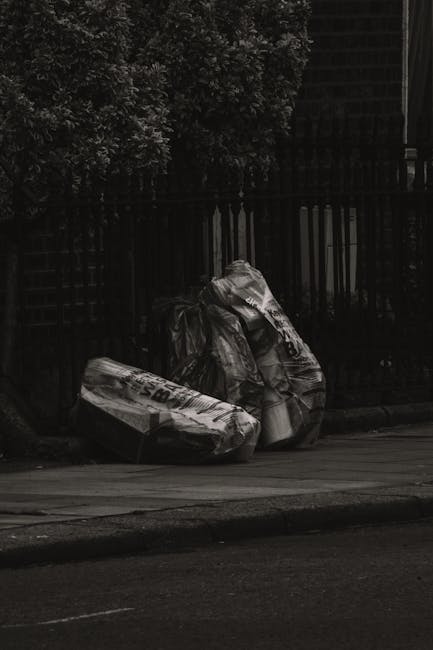
Haringey Council rules on rubbish and fly tipping in Harringay: a practical local guide
If you live, work, rent, or run a property in Harringay, the rules around rubbish can feel strangely simple and oddly complicated at the same time. Put your bags out too early and you risk a mess. Leave a sofa on the pavement and you may be dealing with a complaint. Dump waste in the wrong place and you are into fly-tipping territory, which is a much bigger problem altogether. This guide explains Haringey Council rules on rubbish and fly tipping in Harringay in plain English, with the everyday details people actually need.
We will cover what counts as proper disposal, what usually causes trouble, how to avoid mistakes, and what to do if you are handling bulky items, builder's waste, garden cuttings, or a sudden clear-out. If you want the practical version rather than the legal headache version, you are in the right place.
Why Haringey Council rules on rubbish and fly tipping in Harringay Matters
Rubbish rules matter because waste does not stay private for long. One overflowing bin bag becomes a fox problem. A pile of cardboard on the wrong day becomes a street obstruction. A mattress left by a communal entrance can quickly turn into a neighbour dispute, then a landlord issue, then a council complaint. That cascade is familiar to anyone who has lived in shared housing or a busy London street.
In Harringay, where you have a mix of terraces, flats, busy roads, side streets, and commercial premises, waste management is not just about tidiness. It affects access, safety, kerbside space, and how the whole street feels. You notice it most on a damp morning when bins have been knocked over overnight and somebody has abandoned an old desk by the railings. Not ideal, to put it mildly.
Fly tipping is especially serious because it is deliberate dumping of waste in the wrong place. That can mean a bag left by a bin, a load tipped behind garages, or building debris abandoned on a pavement. For residents, the practical issue is not only the mess. It is the risk of investigation, clean-up delays, and the awkward question of who is responsible.
For anyone who is moving, renovating, or clearing out a property, it helps to understand the local rhythm of waste disposal. For example, if you are in the middle of a move, the waste around the house tends to multiply in strange ways. That is why some readers also look at local advice on buying a home in Haringey or everyday life in Harringay - rubbish control is part of the lived-in reality, not an abstract policy note.
How Haringey Council rules on rubbish and fly tipping in Harringay Works
At a practical level, the system is built around a few core ideas: keep waste contained, present it correctly, use the right disposal route, and do not abandon anything in the public realm. That sounds obvious, but the trouble usually starts when one of those steps gets skipped.
Households are generally expected to use their normal collections correctly and only place waste out in the manner and at the time that is permitted for their street or property type. Shared blocks may have communal bins, so residents need to understand how those are used. In some buildings, this is where things go wrong: bags are left beside bins, bulky items are squeezed into bin stores, and suddenly the area looks like a mini dumping ground.
For larger items, builders' waste, or a lot of mixed rubbish, the usual bin service is not the right tool. That is when residents, landlords, agents, or businesses need a proper clearance route. If you are dealing with household clutter after a big tidy-up, services such as house clearance in Harringay or loft clearance in Harringay can be more sensible than trying to stretch bin collections beyond their purpose.
Fly tipping tends to happen when waste is made someone else's problem. That can be a contractor leaving materials behind, a tenant walking away from furniture, or a business dumping items near a loading bay. The rule of thumb is simple: if it is not authorised disposal, and especially if it is left in a place where it should not be, it is a problem. Sometimes a small problem. Sometimes not so small.
There is also a documentation side to this. If you hire someone to take waste away, use a legitimate, traceable service. If you are comparing options and trying to work out what service fits your situation, a quick read through a local services overview can help you see the difference between a standard collection, a full clearance, and specialist disposal.
Key Benefits and Practical Advantages
Getting rubbish disposal right is not just about avoiding trouble. It makes life easier in everyday ways that are easy to underestimate until you have dealt with a mess for three days straight.
- Cleaner communal spaces: fewer bags left in hallways, front gardens, and bin stores.
- Lower fly-tipping risk: if waste is removed properly, there is less temptation or opportunity for it to be dumped elsewhere.
- Less friction with neighbours: nobody enjoys being the person blamed for the bin area looking dreadful.
- Safer access: clear walkways matter for pushchairs, deliveries, mobility aids, and emergency access.
- Better property presentation: useful if you are selling, letting, or just trying to keep a flat from feeling chaotic.
- More control over costs: proper planning often avoids surprise charges and repeat visits.
There is also a quiet emotional benefit. When the waste is under control, a home feels calmer. You hear it in the silence after the last bag is gone. It sounds a bit dramatic, maybe, but anyone who has cleared a cluttered flat knows what I mean.
For landlords and agents, the value is even more obvious. Good waste handling reduces complaints, keeps shared areas presentable, and helps avoid the kind of avoidable issues that can snowball into extra management time. If you manage mixed-use space or a small office, office clearance in Harringay and local office rubbish collection advice are useful reading when waste starts to stack up after a refit or move.
Who This Is For and When It Makes Sense
This topic matters to more people than you might think. It is not only for property owners or anyone doing a giant clear-out. In practice, it touches just about everyone in Harringay.
- Tenants who need to know what goes in bins, what stays in, and what must be removed properly.
- Landlords who want tenants to leave a property in a reasonable condition and avoid dumped items after move-out.
- Homeowners dealing with renovations, garden waste, or bulky household clutter.
- Business owners managing packaging, office furniture, stock waste, or refurbishment debris.
- Builders and trades who need a dependable route for construction waste rather than an improvised one.
- People moving house who suddenly realise that the loft, shed, and spare room contain more than they remembered.
It also makes sense if you live in a flat with limited access. Harringay has plenty of buildings where stairs, narrow landings, and shared bin areas make waste handling awkward. If that sounds familiar, you may find common bulky rubbish access problems in Harringay flats especially relevant.
And let's face it, if you have ever tried to drag a bulky wardrobe down a stairwell at 7:30 in the morning, you already know this is not just a policy topic. It is a logistics topic.
Step-by-Step Guidance
If you want to stay on the right side of local waste expectations, the safest approach is to handle rubbish in a calm, ordered way. No drama, no guessing.
- Sort the waste first. Separate what can go in normal household bins from bulky items, garden waste, electricals, and anything that may need specialist handling.
- Check the property setup. In flats or managed buildings, find out whether there are communal bins, collection days, or store rules. A lot of trouble starts here.
- Keep public space clear. Do not leave bags, chairs, boxes, or rubble on pavements, front steps, shared hallways, or near kerbs unless it is explicitly permitted.
- Arrange the correct disposal route. For larger volumes, book a legal collection or clearance rather than hoping the regular bins will cope.
- Prepare items for easy removal. Bag loose waste, flatten cardboard where sensible, and keep access clear so crews do not need to drag items through avoidable obstacles.
- Get a clear quote before agreeing. This matters more than people think. Hidden extras can appear when access is difficult or the waste is more complex than expected. If you want to avoid that headache, see the warning signs discussed in hidden rubbish clearance charges in Harringay to avoid.
- Ask what happens to the waste. A legitimate provider should be able to explain whether items are reused, recycled, or disposed of appropriately.
- Keep records for business or landlord use. In mixed commercial settings, it is worth keeping a note of what was removed, when, and by whom.
A small but useful tip: take a few quick photos before collection day if the load is awkward or access is tight. It saves a lot of back-and-forth later. Not glamorous, but very practical.
Expert Tips for Better Results
Most waste problems are easier to prevent than to fix. Here are the habits that make the biggest difference in real life.
Plan around collection timing. In busy parts of Harringay, leaving waste out too early can make a tidy street look messy for far longer than necessary. If you are in a flat or a house with a front forecourt, timing matters more than people realise.
Do not assume everything can be mixed together. Builders' waste, garden waste, furniture, and general household rubbish are often treated differently by disposal services. If you are clearing after a renovation, a specialist route like builders' waste disposal in Harringay is usually the sensible option.
Think about access before the waste. A lot of collection delays come down to stairs, parking, narrow gates, and lift restrictions. If you already know access is tricky, say so early. That is the difference between a smooth job and a slightly chaotic one, and nobody enjoys the second version.
Keep reusable items separate. Furniture, appliances, and decent household goods sometimes deserve a different route from mixed rubbish. In some cases, using furniture disposal in Harringay helps keep the job cleaner and more efficient.
Ask direct questions. How much can fit? Is there an extra charge for stairs? What if there is more waste than expected? These questions feel awkward for about five seconds, and then they save money or stress. Worth it.
For businesses, align waste handling with trading hours. That matters around busy stretches and loading bays. If your premises sit near a busy route, some common sense and a clear schedule go a long way.
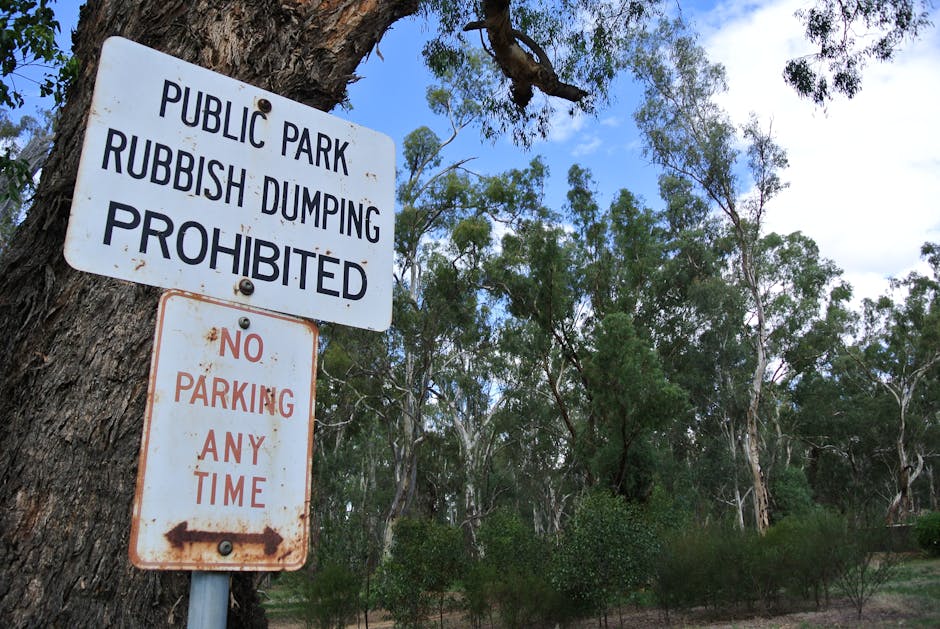
Common Mistakes to Avoid
Most fly-tipping-related problems do not begin with bad intentions. They begin with shortcuts. Here are the ones that come up again and again.
- Leaving rubbish beside full bins: this is one of the fastest ways to create an unmanaged pile.
- Using the wrong collection route: standard bin services are not designed for bulky or construction waste.
- Assuming a contractor will "sort it out" later: if waste is generated by work, it should be dealt with properly from the outset.
- Not checking access limits: waste may be ready, but the removal path may not be.
- Choosing the cheapest option without checking what is included: cheap can become expensive, especially if charges change once the crew arrives.
- Putting out items too far in advance: that can invite complaints, damage, or opportunistic dumping by someone else.
One common local scenario is a resident clearing a flat at the weekend and leaving a pile of mixed items in a shared entrance "just until Monday." By Monday, the pile has doubled, and the building manager is not amused. It happens. More than people admit.
If you want to avoid those awkward situations, proper planning beats hope every time.
Tools, Resources and Recommendations
You do not need fancy tools to manage rubbish well, but a few practical helpers make the process smoother.
- Heavy-duty bags and boxes: useful for separating loose waste, paper, and smaller items.
- Labels or marker pens: excellent for tagging what is staying, what is being removed, and what needs recycling.
- A tape measure: sounds minor, but it helps with bulky furniture and awkward access points.
- Phone photos: useful for quoting, planning, and confirming the condition before removal.
- A short waste inventory: especially helpful for landlords, offices, and renovation projects.
For people dealing with bigger projects, a full waste-clearance service is often the cleanest solution. If you need a broader overview of what is available, the waste clearance in Harringay page is a useful starting point. You can also compare how general rubbish removal differs from a more complete rubbish collection service in Harringay.
And if you care about how waste is handled after collection, it is sensible to review a provider's approach to recycling and sustainability. That does not mean every item can be reused or recycled, of course. But it is a good sign when a company explains the process clearly.
Law, Compliance, Standards, or Best Practice
Waste disposal in the UK sits within a legal and compliance framework, and the safest thing a resident can do is follow the principle of responsible transfer and lawful disposal. In everyday language, that means: do not hand waste to anyone who cannot remove it properly, and do not dump it where it should not be.
For householders, the practical best practice is simple. Use the right containers, the correct collection process, and a legitimate waste carrier when you are dealing with anything beyond normal domestic bins. If you are hiring someone, it is sensible to ask how the waste will be handled and whether they can explain their process clearly. You do not need a lecture. You do need confidence.
For businesses, the bar is higher because commercial waste has extra handling expectations. Offices, shops, and construction projects often generate mixed waste streams, and those should be dealt with in a traceable way. If you are planning a refit or clear-out, a specialist route like office rubbish collection for Turnpike Lane businesses can be more appropriate than a generic solution.
Best practice also means thinking ahead to safety. Heavy lifting, sharp edges, broken glass, and awkward loads can create avoidable injuries. The practical view is usually the sensible one: if an item is big, damaged, dirty, or heavy, treat it as a job worth doing properly. There is no prize for wrestling a broken wardrobe down the stairs by yourself.
Options, Methods, or Comparison Table
Different waste situations need different methods. The right choice depends on volume, type of waste, access, and how quickly it needs to go. Here is a simple comparison.
| Method | Best for | Advantages | Limitations |
|---|---|---|---|
| Normal council-style household disposal | Day-to-day household rubbish | Simple and routine | Not suitable for bulky or unusual waste |
| Bulky item collection | Furniture, mattresses, large single items | Less effort than self-haul | May need access planning and timing |
| Full property clearance | Moves, probate, end-of-tenancy, major declutter | Handles large mixed loads efficiently | Requires good briefing and clear scope |
| Specialist builders' waste removal | Renovation and trade waste | Better for heavy, messy, or mixed construction debris | Needs accurate description of materials |
| DIY transport to a disposal site | Smaller self-managed loads | Can suit occasional clear-outs | Time-consuming and physically demanding |
If you live in a flat, access often decides the method more than anything else. That is one reason local guides such as waste clearance for Ladder homes and flats can be useful when you are deciding how to tackle a job.
Case Study or Real-World Example
Picture a fairly ordinary Harringay situation. A family is moving out of a first-floor flat, the hallway is narrow, and there is a mix of bags, an old sofa, broken shelves, and a few boxes of random household bits. Nothing dramatic. Just one of those "how did we accumulate this much?" moments.
At first, they think they can leave a few items by the bin store and take the rest later. But the bin area is already tight, the sofa is too large for the normal collection, and the building manager is understandably strict about communal spaces. If they had left it there, the risk of complaint or unwanted dumping would have risen quickly.
Instead, they sort the load into categories, measure the access route, and book a proper clearance. The bulky items are removed in one visit, the smaller waste is bagged properly, and the communal space stays clear. Nothing fancy. Just orderly, and a lot less stressful.
That is the pattern in most real cases. The smoother the planning, the less likely the job becomes a fly-tipping problem. For people who are pressed for time, same-day or urgent options can also be worth considering, as long as the scope is explained clearly. If that is your situation, urgent rubbish removal in Harringay is a useful topic to explore before the pile gets any bigger.
Practical Checklist
Use this quick checklist before you put rubbish out or book a collection.
- Have I separated normal waste from bulky, garden, electrical, or builder's waste?
- Do I know where the waste is allowed to go, and when?
- Is the bin store, pavement, or entrance still clear for other people?
- Have I checked access, stairs, parking, and lift restrictions?
- Do I know whether the load needs specialist handling?
- Have I taken photos or notes in case I need to confirm the scope later?
- Did I get a clear price or explanation of what is included?
- Am I confident the waste will be removed lawfully and not dumped elsewhere?
- If this is a business or landlord job, have I kept a simple record?
- Would a full clearance be easier than piecing the job together myself?
If you can answer those without hesitation, you are usually in good shape. If not, pause and sort it properly first. That small delay can save a lot of mess.
Get a free quote today and see how much you can save.
Conclusion
Haringey Council rules on rubbish and fly tipping in Harringay are really about keeping everyday life workable: clean streets, safer access, fewer disputes, and less avoidable waste drama. Most problems come from rushing, guessing, or using the wrong disposal route for the job in front of you. Once you slow down a little and choose the right method, the whole thing becomes much more manageable.
Whether you are clearing a flat, managing a property, handling office waste, or just trying to avoid being the person who leaves a mystery pile by the bins, the same principle applies: contain it, clear it, and do it properly. Quiet streets and tidy entrances may not sound exciting, but they make daily life feel better. Truth be told, that counts for a lot.
And if you ever find yourself standing in the hallway at 8pm, looking at one too many bin bags and thinking, "Right, this is becoming a thing," take that as your cue to act early. Future-you will be grateful. Probably very grateful.

 Tipper Van - Waste Clearance and Loft Clearance Prices in Harringay, N4
 Luton Van - Waste Clearance and Loft Clearance Prices in Harringay, N4

