

Office rubbish collection Turnpike Lane businesses
Posted on 29/05/2026
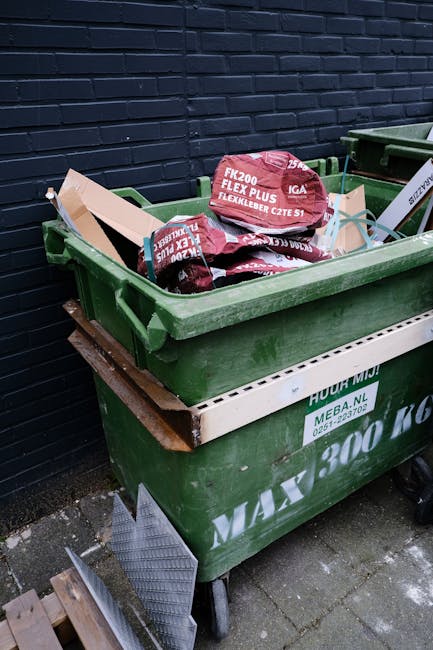
Office rubbish collection Turnpike Lane businesses: a practical guide for busy workplaces
If you run a workplace near Turnpike Lane, rubbish has a way of building up quietly. One broken chair, a few stacks of packaging, old monitors in a corner, and suddenly the office feels cluttered, slower, and a bit harder to manage. Office rubbish collection Turnpike Lane businesses need is not just about clearing junk; it is about keeping the space safe, presentable, and efficient without interrupting the working day.
Whether you manage a small studio, a shared office, a retail back office, or a growing team in a busy London location, the right collection plan can make a real difference. In this guide, you will find a clear explanation of how office rubbish collection works, who it suits, what to watch for, and how to choose a service that fits the pace of your business. Along the way, we will also point you to helpful local resources, including the full service overview and straightforward pricing and quotes, so you can judge what is sensible for your own setup.
Truth be told, most offices wait too long before arranging a proper collection. By the time someone says, "We really should deal with this," the pile has usually grown legs of its own.
Expert summary: The best office rubbish collection is the one that removes waste quickly, protects staff, respects access constraints, and keeps reusable or recyclable items out of general waste wherever practical.
Why Office rubbish collection Turnpike Lane businesses Matters
Office waste is not just a housekeeping issue. For businesses around Turnpike Lane, it can affect day-to-day operations in ways that are easy to overlook until they start causing friction. Overflowing bins, redundant furniture, and old filing cabinets in corridors create obstacles, and in a tight office, even a small obstruction can become annoying fast.
There is also the customer-facing side. If clients, contractors, or potential hires walk into an office and see clutter, it can send the wrong message. A tidy workspace suggests care, organisation, and attention to detail. That matters whether you are a consultancy, agency, professional practice, or a small team working above a shopfront.
Then there is the practical side. Offices generate mixed waste: paper, cardboard, packaging, outdated electronics, damaged desks, chairs, shelving, and general rubbish. Some of it can be recycled. Some of it should be kept separate. Some items, especially electrical equipment, need handling with extra care. The point is not just to "get rid of stuff"; it is to do it sensibly.
For businesses in the area, access can also be part of the challenge. Narrow stairwells, shared entrances, timed loading, and busy streets can all complicate waste removal. If you have ever tried to shift a bulky desk down a tight staircase during a busy weekday, you will know the feeling. Not ideal.
Used well, office rubbish collection supports smoother operations, a safer environment, and a better impression for everyone who steps through the door.
How Office rubbish collection Turnpike Lane businesses Works
Although every provider works a little differently, the process usually follows a simple pattern. A decent service should make it easy for you to explain what needs removing, agree a collection time, and have the waste taken away with minimal disruption.
1. You describe the waste
This normally starts with a phone call, message, or quote request. You explain the type of office waste you have: general rubbish, office furniture, electrical items, archive clear-outs, or mixed material from a refit. The more specific you are, the more accurate the quote is likely to be.
2. The collection is planned around access
Office clearances in London often depend on access. Is there a lift? Will waste need to come down stairs? Is the office on a busy road? Are there any time limits for loading? These details shape the logistics, and they matter more than people expect. For broader support with workplace clearances, you may also find office clearance in Harringay useful as part of the decision-making process.
3. Waste is sorted where possible
A good team will separate recyclable materials from general rubbish where the load allows it. Cardboard, paper, some metals, and certain electrical items may be handled differently. This is one of those areas where a bit of sorting upfront saves a lot of faff later.
4. Items are removed safely
The collection crew should remove the waste without causing damage to walls, floors, or communal areas. That is especially important in older buildings and shared premises, where one careless trolley turn can leave a mark no one wants to explain.
5. Disposal and transfer are handled responsibly
The final stage is the disposal route. Depending on the material, items may be taken for reuse, recycling, or disposal. For many businesses, this is the main reason to use a professional service rather than trying to do it themselves: it is one less thing to coordinate, and the process is usually much cleaner overall.
For recurring needs, some businesses combine collections with broader waste support. If that sounds closer to your situation, local rubbish collection can be a useful option, especially for offices that produce mixed waste regularly rather than just once in a blue moon.
Key Benefits and Practical Advantages
A well-run office rubbish collection service does more than empty a few bags. It can improve the way the whole workplace functions.
- Less clutter, more usable space: old furniture and broken items can be removed before they start taking over meeting rooms, stores, or corridors.
- Better safety: fewer trip hazards, blocked exits, and awkwardly stacked items.
- Faster office moves or refurbishments: clear space is easier to reconfigure.
- Cleaner presentation: a tidy office helps with staff morale and client confidence.
- More responsible disposal: recyclable materials can be handled more appropriately than in a general skip-and-hope approach.
- Less admin: you do not have to organise transport, loading, or disposal details yourself.
There is another benefit people often miss: headspace. A clear office tends to feel calmer. Staff can find what they need more quickly. The place stops feeling like a storage unit pretending to be a workplace. Small thing, big difference.
If your office also has furniture that has reached the end of its life, furniture disposal support can help you tackle bulky items without turning the day into a moving exercise.
Who This Is For and When It Makes Sense
Office rubbish collection is not only for large corporate spaces. In Turnpike Lane and the surrounding London business area, it makes sense for many different types of workplaces.
Common business types that benefit
- Small offices and start-ups
- Shared workspaces and serviced offices
- Retail businesses with office or stock rooms
- Agencies and professional services firms
- Clinics, studios, and admin-heavy businesses
- Landlords or managing agents preparing a unit for new tenants
Situations where a collection is especially useful
- End-of-lease clear-outs
- Office moves
- Desk and furniture replacement
- IT refreshes and equipment upgrades
- Post-renovation tidy-ups
- Storage rooms that have quietly turned into archives-plus-chaos
There is no single "right" time. Sometimes the trigger is practical, like an incoming inspection or a refurbishment schedule. Sometimes it is softer than that. You walk into the office on a wet Tuesday morning, see the pile by the printer, and think, enough now. That counts too.
For businesses in mixed-use buildings or properties with tight layouts, it can also help to read about waste clearance in ladder homes and flats, because the access and handling challenges are often similar to what offices face in older London premises.
Step-by-Step Guidance
If you want the process to go smoothly, a little preparation goes a long way. Here is a sensible way to handle it.
- Walk through the office first. Make a quick list of what needs removing. Separate general waste, furniture, electronics, and anything sensitive.
- Identify bulky items. Desks, cabinets, chairs, and shelving often take the most planning. Measure doorways if the space is awkward.
- Check access and timing. Note stairs, lifts, loading space, and any restrictions around entry times.
- Decide what can be reused or recycled. Not everything needs to be treated as rubbish. Some items may still be serviceable.
- Request a clear quote. Ask what is included, whether labour is part of the price, and whether there are extra charges for heavy or difficult items.
- Prepare the area. Clear walkways and gather items in one place where possible.
- Keep sensitive material secure. Shred or remove confidential documents before collection if needed.
- Be available on the day. Someone should be there to confirm the load and answer any quick questions.
A quick reality check: the less guesswork you leave to the day itself, the smoother everything feels. Nobody wants to discover, mid-collection, that the only lift is out of order and the giant filing cabinet has opinions about gravity.
Expert Tips for Better Results
From a practical standpoint, the best office collections are the ones that are planned around the shape of the workplace, not just the amount of waste. A few simple habits make a big difference.
Label what is staying and what is going
This sounds obvious, but in a busy office it is easy for items to get mixed together. A piece of tape or a coloured sticker can save real time on the day.
Bundle like with like
Keep cardboard together, paper together, and bulky furniture separate if possible. That makes sorting easier and helps the crew work more efficiently.
Think about peak hours
If your office gets busiest between late morning and mid-afternoon, a collection scheduled slightly earlier or later can reduce disruption. For some workplaces, first thing in the morning is best. For others, it is quieter after the phones slow down.
Ask about recycling pathways
It is perfectly reasonable to ask how your waste will be handled. If sustainability matters to your business, mention that early. You may be able to combine your needs with a broader recycling and sustainability approach that reflects your company values.
Use the collection as a reset
Once the waste is gone, take ten minutes to look at the space properly. Do you actually need that extra cabinet? Is there a better place for cables, archive boxes, or unused furniture? A collection can be the start of a cleaner setup, not just a one-off clear-out.
Keep receipts and notes
If the waste removal is connected to a move, a refurbishment, or facilities management work, keep records. It can help with internal admin and gives you a cleaner paper trail. Boring, yes. Useful, absolutely.

Common Mistakes to Avoid
Some mistakes are minor. Others can turn a simple job into an expensive one. These are the common traps worth avoiding.
- Underestimating access issues: stairs, narrow hallways, and parking constraints can slow everything down if not discussed early.
- Leaving sorting until collection day: mixed loads take longer and can increase costs.
- Ignoring electrical items: old monitors, printers, and computers should not be treated like ordinary rubbish.
- Not checking what is included: some quotes cover labour, some do not. Ask.
- Forgetting confidential waste: paper records and storage media need extra attention.
- Assuming every item can go together: furniture, general waste, and equipment may need different handling.
- Waiting too long: a small issue becomes a big one once it starts blocking daily work.
One of the most common errors, to be fair, is assuming the office will "just get tidier after lunch." It rarely does. Offices do not magically sort themselves, irritatingly enough.

Tools, Resources and Recommendations
You do not need a fancy toolkit to organise an office rubbish collection, but a few practical tools make the process easier.
- A quick inventory sheet: list furniture, electronics, paper waste, and any special items.
- Labels or coloured tape: mark items to keep, remove, or recycle.
- Basic measuring tape: useful for checking bulky items against doorways and lifts.
- Phone photos: a few clear images can help with quoting and planning.
- Secure bags or boxes: helpful for documents and loose office waste.
For business owners who want a wider sense of the company's approach, it can also help to review about us, insurance and safety, and payment and security. Those pages are useful because office waste removal is not just about lifting items; it is about trust, process, and a clean working arrangement.
If your business is located in a particularly busy part of North London, local context matters too. Articles like life in Haringay local advice and escape the hustle and bustle in Harringay give a feel for the area and why efficient collection services are so handy here.
Law, Compliance, Standards and Best Practice
Any business handling waste should think carefully about compliance and responsible disposal. You do not need to become a legal expert to manage this properly, but you do need to be sensible.
At a practical level, that means using a reputable waste carrier, keeping a clear record of what has been removed, and making sure waste is handled in a way that matches the type of material involved. Office rubbish is often mixed, which means it can include general waste, recyclable materials, and items that require separate treatment.
For workplaces, a few best-practice principles are worth following:
- Keep confidential materials secure. Shred or remove sensitive papers before collection.
- Separate electrical waste where possible. Computers, screens, printers, and cables should be treated carefully.
- Do not mix hazardous items into ordinary rubbish. If your office has anything unusual, flag it in advance.
- Choose a provider that explains its process clearly. Good communication is part of good compliance.
- Ask for documentation where appropriate. A proper business should be able to explain what happens to your waste.
It is also wise to review service terms before booking. Pages such as terms and conditions and privacy policy help set expectations around data, access, and service delivery. That may not sound glamorous, but it saves awkward conversations later.
If your office move overlaps with a building project, it can be helpful to look at builders waste disposal in Harringay too, because refurbishment waste often gets tangled up with office clearance work.
Options, Methods, and Comparison Table
Businesses usually choose between a few common approaches. The right one depends on volume, access, timing, and how much handling you want to do yourself.
| Method | Best for | Advantages | Possible drawbacks |
|---|---|---|---|
| Ad hoc office rubbish collection | One-off clear-outs, upgrades, or moves | Simple, flexible, no long-term commitment | Can be less efficient if waste builds up again quickly |
| Scheduled recurring collections | Offices with regular waste output | Predictable, tidy, easier for facilities planning | Needs consistent scheduling and oversight |
| Office clearance service | Full or partial emptying of offices | Good for major declutters and relocations | May be more than you need for small waste only |
| Self-managed removal | Very small loads and simple waste | Potentially cheaper in direct cost terms | Time-consuming, labour-heavy, and easy to get wrong |
For many Turnpike Lane businesses, the sweet spot is somewhere between ad hoc collection and a wider clearance. If you just need old desks, packaging, and a few electronics removed, a targeted service is usually enough. If the office is closing, moving, or being stripped back, a fuller solution is often better. There is no prize for choosing the most complicated route.
Related pages like house clearance in Harringay and loft clearance are not office services, of course, but they show the same general principle: the cleaner the sorting and access planning, the easier the removal job becomes.
Case Study or Real-World Example
A small design studio near Turnpike Lane was preparing to reconfigure its workspace after taking on two new team members. The office had done that familiar thing where old furniture, spare packaging, and forgotten equipment had gradually taken over the side wall. Nothing dramatic. Just enough clutter to make the room feel smaller than it was.
The team started by separating items into three groups: keep, donate or reuse, and remove. A couple of desks were still usable, but two chairs were broken and several pieces of equipment had clearly reached the end of the line. They booked a collection for an early morning slot, before the team arrived, so the space could be reset before the day began.
What made the biggest difference was not speed, though that helped. It was preparation. The access route was cleared. Items were grouped sensibly. Sensitive papers were removed separately. The collection itself was quick, tidy, and quietly uneventful, which is exactly what you want from a service like this.
By lunchtime, the studio felt brighter and easier to move around in. Nothing fancy. Just a cleaner room, better flow, and fewer awkward "we should move that one day" conversations. Those moments matter more than people think.
Practical Checklist
Use this checklist before booking office rubbish collection for your business.
- List everything that needs to go
- Separate furniture, general waste, and electrical items
- Remove or secure confidential documents
- Check access routes, stairs, lifts, and parking
- Take a few photos for quoting if needed
- Decide whether anything can be reused or recycled
- Confirm the collection time and who will meet the team
- Review any special instructions for your building
- Ask what is included in the quote
- Keep a note of the service details for your records
Quick takeaway: a little prep before collection often saves more time than the collection itself. That is usually where the real win is.
Conclusion
For Turnpike Lane businesses, office rubbish collection is a simple idea with a lot of practical value. It clears space, reduces stress, supports safer working conditions, and helps your workplace feel more professional. Whether you are dealing with a one-off office clear-out or a small but stubborn build-up of junk, the best results usually come from clear planning, honest quoting, and sensible sorting.
If you want a deeper look at how services are structured, start with the services overview and the relevant support pages that match your situation. If you are comparing options, looking at pricing and quotes can help you work out what feels practical rather than guesswork.
Get a free quote today and see how much you can save.
In the end, a tidy office is not about perfection. It is about making room for the work that actually matters.

 Tipper Van - Waste Clearance and Loft Clearance Prices in Harringay, N4
 Luton Van - Waste Clearance and Loft Clearance Prices in Harringay, N4

