

Waste disposal permits and guidelines in Harringay Haringey Council
Posted on 20/08/2026
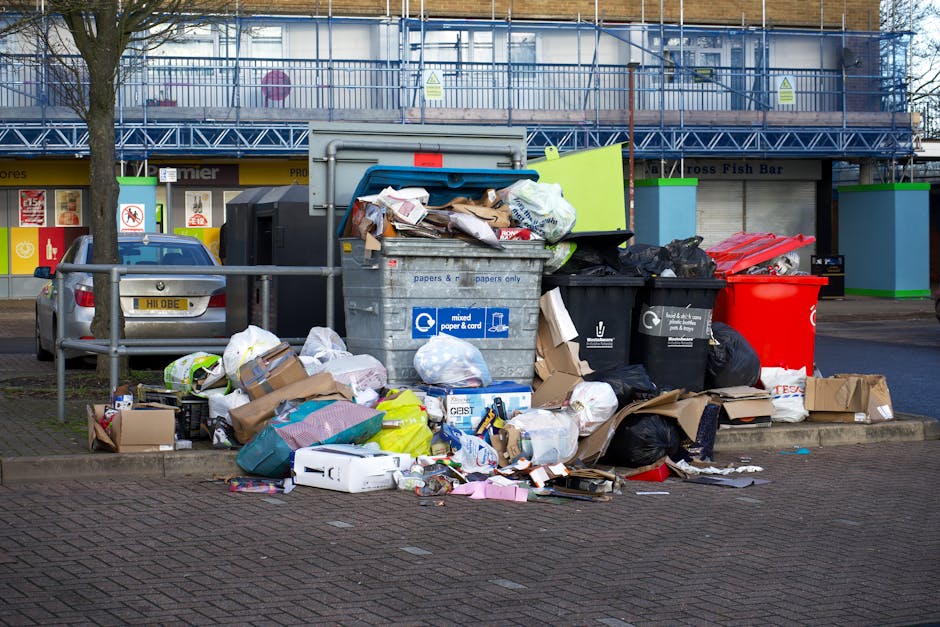
If you are planning a house clear-out, a renovation, a garden tidy-up, or a business disposal project in Harringay, the rules can feel a bit awkward at first. One minute you are trying to shift a sofa or a pile of builder's rubble; the next, you are wondering whether you need a permit, who is responsible for what, and how to stay on the right side of Haringey Council. That is exactly where this guide helps. It explains Waste disposal permits and guidelines in Harringay Haringey Council in plain English, so you can make sensible decisions without wasting time or risking a nasty surprise.
We will cover when a permit may be needed, how the process generally works, what guidelines matter most, common mistakes people make, and how to choose the cleanest, safest route for your situation. You will also find a practical checklist, a comparison table, and answers to the questions people tend to ask once they are already halfway through the job. Let's make it simple.
Why Waste disposal permits and guidelines in Harringay Haringey Council Matters
Waste disposal rules matter because waste has a habit of creating problems when it is left vague. A pile of rubbish on a pavement, a skip blocking access, or construction debris dumped in the wrong place can quickly lead to complaints, extra costs, or enforcement action. In a busy part of north London like Harringay, where streets can be narrow and properties often sit close together, the margin for error is not huge.
To be fair, most people are not trying to break rules. They are simply trying to get rid of things properly. But that is exactly why guidelines matter: they help you avoid accidental fly-tipping, blocked access, nuisance to neighbours, or delays caused by incomplete paperwork. If you have ever watched a skip lorry struggle to manoeuvre near parked cars or a shared access road, you will know how quickly a simple disposal plan becomes a little more involved.
There is also a practical side. When you follow the proper process, you are more likely to get predictable timings, clearer pricing, safer handling, and fewer disputes over responsibility. That is especially important for anyone involved in renovations, house moves, landlord clearances, or commercial waste removal. If you are buying or selling in the area, it can even intersect with property planning, which is why many people reading about local property issues also find value in buying a home in Harringay and navigating Harringay real estate.
How Waste disposal permits and guidelines in Harringay Haringey Council Works
The exact route depends on the type of waste, where it is coming from, and how it will be removed. In practice, there are three broad questions to answer:
- What are you disposing of? General household waste, bulky items, garden waste, builders' waste, and commercial rubbish can all be treated differently.
- Where will it sit before collection? On private land, a driveway, communal access, a pavement, or the road each raises different issues.
- Who is removing it? You, your contractor, a waste carrier, a skip company, or a clearance team may each have different responsibilities.
If waste stays entirely on your private property and is taken away without using public land, the job is often straightforward. The moment a container, skip, or pile of waste needs to sit on the street or pavement, permission may be needed. That is the bit people sometimes miss. They assume the skip company handles everything, but in many cases the customer still needs to understand the local rules and approve the setup.
For clearer planning, it helps to separate the task into two parts: the permit side and the waste-handling side. The permit side is about location and use of public space. The waste-handling side is about sorting, lifting, transporting, and disposing of materials responsibly. If you are dealing with furniture, loft clutter, or a house full of mixed items, a service such as house clearance in Harringay or loft clearance may reduce the permit burden because the waste can often be collected directly from the property.
Guidelines also cover what cannot simply be left out or mixed together. Hazardous items, electrical goods, mattresses, DIY rubble, and garden debris can each need different handling. And if you are working on a larger project, the rules become even more relevant; a contractor handling builders' waste disposal in Harringay will usually need a tighter plan than someone clearing a few old chairs.
Key Benefits and Practical Advantages
Following the right permits and guidelines is not just about staying compliant. It can make the whole job smoother from the first call to the final sweep-up.
- Less risk of fines or complaints: You reduce the chance of issues linked to obstruction, illegal dumping, or poor waste management.
- Better timing: Jobs run faster when access, collection method, and waste type are planned properly.
- Safer handling: The right approach helps avoid injuries, broken stair treads, scratched walls, and awkward lifting.
- Cleaner streets and shared spaces: This matters a lot in dense residential streets and flats, where one careless pile can cause friction with neighbours.
- More predictable costs: When you know whether a permit or specialist collection is required, pricing becomes much easier to understand.
There is a hidden advantage too: peace of mind. Honestly, people underestimate that. If you have ever spent a Saturday morning worrying whether the rubbish on the curb is allowed to be there, you will know the feeling. Clear guidance takes that stress off your shoulders. It also makes it easier to choose the right service, whether that is a standard collection, a dedicated clearance, or a more specialised approach like furniture disposal in Harringay or garden waste removal.
Who This Is For and When It Makes Sense
This topic is relevant to more people than you might think. It is not just for builders or big landlords. In fact, some of the most common permit and guidance questions come from ordinary residents dealing with ordinary life admin, which is never quite as ordinary as it sounds.
You may need to pay close attention if you are:
- a homeowner arranging a bulky clearance or renovation;
- a tenant leaving behind items at the end of a tenancy;
- a landlord or letting agent preparing a property for re-let;
- a builder or tradesperson working on a small domestic job;
- a business clearing office stock, desks, fixtures, or archive waste;
- someone disposing of garden materials, branches, or soil;
- a resident in a flat with awkward access, tight stairwells, or communal entrances.
The local setting matters. Harringay includes a mix of terraced homes, conversions, flats, and busier stretches near transport links, so access constraints often shape the disposal method. If you live in a ladder-style property or a compact flat, for instance, you may want to read more about waste clearance in Harringay ladder homes and flats and common bulky rubbish access problems in Harringay flats. Those situations can change whether a permit is needed and how practical a roadside container really is.
It also makes sense to think about timing. If you are under pressure because of a move-out date, estate agent deadline, or business opening, a permit-dependent solution may not be the best choice. Sometimes a direct collection service is simply faster. In a pinch, people often look at same-day rubbish collection near Harringay Green Lanes Station or urgent rubbish removal options in Harringay because the clock is doing what clocks do best: making everything feel urgent.
Step-by-Step Guidance
Here is a practical way to approach waste disposal in Harringay without missing the important bits.
- Identify the waste type. Separate household items, green waste, electricals, metal, cardboard, and construction debris before you begin.
- Check the storage and collection location. Ask whether everything can remain on private land or whether any part of the plan uses a pavement, road, or shared access area.
- Decide whether a permit or controlled placement is required. If a skip, container, or waste pile will occupy public space, that is the point to pause and verify the rules.
- Consider access logistics. Measure stairways, entrances, narrow passages, parking spaces, and loading options. Small details matter more than people think.
- Choose the disposal method. Compare skip hire, man-and-van rubbish collection, clearance services, or trade waste removal.
- Prepare the waste properly. Keep prohibited items separate, flatten cardboard, and make it safe to lift.
- Confirm responsibility in writing. If you are hiring a contractor, make sure you know who handles the waste transfer, where the waste is going, and what is included.
- Keep records. A clean paper trail helps if there is a dispute later. It also encourages better service.
A useful rule of thumb: if you are not sure whether the waste will touch public land, assume you need to ask the question before the job starts. That tiny bit of caution can save hours later. And if your project involves a business premises, office furniture, or repetitive collections, a more structured service such as office clearance in Harringay may be a better fit than a one-off approach.
One more practical point. Do not leave the hard decisions until the last afternoon. It sounds obvious, but people do it all the time. Then the weather turns, the van is late, the permit is unclear, and the whole thing becomes one of those very London afternoons where everyone is slightly cross and nobody wants to say it out loud.
Expert Tips for Better Results
These are the little habits that make waste projects go more smoothly, especially in a built-up area like Harringay.
- Measure before you book. Access problems are one of the most common causes of delay. Stairs, rails, parking distance, and bin-store layouts can all matter.
- Sort early, not on collection day. A mixed pile takes longer to assess and may cost more to process.
- Ask what happens after collection. Reuse, recycling, and safe disposal are all better than simple dumping. If sustainability matters to you, it is worth reviewing a provider's recycling and sustainability approach.
- Keep neighbours in mind. If you are planning a permit-based placement or an early morning collection, a quick heads-up can avoid annoyance.
- Check your own building rules. Leasehold properties, managed blocks, and offices may have internal requirements that sit alongside council guidance.
- Be wary of vague pricing. If a quote feels fuzzy, ask what is included. Hidden extras are not rare, especially when access is difficult. There is a useful article on hidden rubbish clearance charges in Harringay that explains the kinds of add-ons people often miss.
And yes, sometimes the smartest tip is the least glamorous one: choose the method that creates the fewest moving parts. Fewer moving parts, fewer problems. Simple, but true.

Common Mistakes to Avoid
Most disposal issues come from a handful of avoidable mistakes. Knowing them up front helps a lot.
- Assuming a skip can go anywhere. Not every road, pavement, or frontage is suitable, and public placement usually needs more care.
- Mixing waste types. Builders' rubble, garden waste, white goods, and general rubbish should not always be thrown together without checking requirements.
- Leaving waste too late. A rushed booking often leads to poor access planning and missed permit steps.
- Ignoring building management rules. Flat blocks and commercial premises may have stricter internal procedures than the council itself.
- Choosing the cheapest quote without asking questions. Low price is not a problem by itself, but unclear scope is.
- Thinking "someone else will sort it". That is how responsibility slips through the cracks.
One of the most common things we see in local clearances is a customer underestimating how awkward bulky items can be in a narrow hallway or shared stairwell. It is not dramatic, just inconvenient. But inconvenience can become cost if it causes extra labour or a failed collection. If you are in that position, it may be worth looking at booking mistakes people make when hiring rubbish removal in Harringay before you commit.
Tools, Resources and Recommendations
You do not need a pile of technical documents to manage waste properly, but a few practical tools help enormously.
- A tape measure: Useful for checking access, item size, and whether bulky waste can get through safely.
- A camera or phone photos: Very helpful when requesting a quote or explaining access issues.
- A simple inventory list: Write down what is going, especially if you are clearing a loft, office, or entire room.
- Basic sorting sacks or boxes: Keep recyclable or sensitive items separate where possible.
- Calendar reminders: Useful for permit windows, collection slots, or building access times.
For many people, the best resource is a service that can translate the rules into action without making everything feel like paperwork. A general overview such as services overview can help you see whether your job is better suited to rubbish collection, furniture disposal, loft clearance, or a full waste clearance solution. If you want a broader, practical route, the main waste clearance in Harringay service page may also help you compare options.
If you are a landlord or someone preparing a property sale, it is worth combining waste planning with the wider move or refurb process. A cleaner property is easier to photograph, easier to let, and frankly easier to live with. That is why some readers also find the local property and lifestyle articles useful, especially life in Harringay local advice and buying a home in Harringay.
Law, Compliance, Standards and Best Practice
Waste disposal in the UK is shaped by a mix of council guidance, general environmental responsibilities, and common-sense site rules. Without getting lost in legal detail, the key principle is simple: waste should be stored, moved, and disposed of responsibly, and not left in a way that creates hazards or nuisance.
For ordinary residents and businesses, the main compliance themes are usually:
- Do not obstruct public access: Pavements, roads, dropped kerbs, and shared entrances must remain safe and usable where possible.
- Do not dump waste: Leaving waste where it should not be is a serious problem, even if the intention was temporary.
- Use suitable carriers: If someone is taking waste away for you, they should be acting responsibly and able to explain what happens to it.
- Separate special waste where required: Electrical items, sharp materials, and potentially hazardous contents need care.
- Respect local site rules: Leaseholders, businesses, and managed blocks often have additional requirements beyond general council guidance.
Best practice goes a step beyond bare compliance. It means planning access well, documenting the collection, and choosing a method that reduces both risk and waste. That could mean reusing items where possible, recycling material streams responsibly, or choosing a direct clearance over a skip if street placement would be messy or impractical. In areas with tighter streets and mixed housing stock, that is often the smarter, calmer route.
If you are handling building waste, remember that shortcuts get expensive quickly. A pile of rubble looked at in the wrong way is just a pile of rubble. Looked at by the council or a neighbour, it can become an issue. Not ideal, obviously.
Options, Methods, or Comparison Table
Different waste jobs suit different methods. Here is a simple comparison to help you think it through.
| Method | Best for | Permit risk | Pros | Watch-outs |
|---|---|---|---|---|
| Skip hire | Renovations, heavy mixed loads, larger domestic jobs | Higher if placed on public land | Good for substantial volume; flexible loading | May need permission; can block access; not ideal for narrow streets |
| Man-and-van collection | Bulky household items, mixed rubbish, quick clearances | Usually lower if loading stays private | Fast, tidy, often more suitable for flats | Access must be workable; price may rise for difficult lifts |
| Full clearance service | House, loft, office, or end-of-tenancy clear-outs | Depends on setup | Hands-off and efficient; useful for larger jobs | Needs good briefing and accurate inventory |
| Self-haul | Small loads and flexible DIY projects | Low, if nothing is placed on public land | Cost control; direct handling | Time-consuming; transport and recycling rules still matter |
For many Harringay households, the real decision is not "which is cheapest?" but "which is least likely to go wrong?" That answer often depends on stairs, parking, quantity, and whether the waste must pass through communal areas. For example, a bulky sofa removal from a first-floor flat near busy streets is a different beast from a garden tidy-up at the back of a house.
Case Study or Real-World Example
Imagine a couple in Harringay doing a light kitchen refresh before putting their flat on the market. They have old units, a broken table, packaging, and a little rubble. At first, they think a skip on the street would be easiest. But the road is tight, parking is limited, and the front entrance is shared. After checking access and thinking through the practicalities, they realise a direct collection is actually cleaner and less stressful.
They sort items into piles first, keep the rubble separate, and book a clearance that can load from the property rather than using public space. The result? No blocked pavement, no upset neighbours, and no permit drama. The job is done in one visit, and the flat is ready for photos the next day. Simple enough, but it took a bit of thinking up front.
This is the sort of situation where local knowledge helps. In a street of similar properties, one address may work for a skip and the next may not. That is why it is so useful to look at local access and property layout. Articles like common bulky rubbish access problems in Harringay flats show how often the physical environment shapes the disposal plan.
Practical Checklist
Use this checklist before you book or begin.
- Confirm exactly what waste you need removed.
- Separate special items, such as electricals or hazardous materials.
- Check whether any part of the waste will occupy public space.
- Measure doors, hallways, stairwells, and parking access.
- Ask who is responsible for any permit or placement permission.
- Get a clear written quote and ask what is included.
- Take photos of the waste and the access route if needed.
- Check building management rules, if you live in a flat or managed block.
- Choose the most practical collection method, not just the cheapest one.
- Keep a record of the booking and completion details.
If all of that feels a little much, that is normal. Most people are not waste logistics experts, and they should not have to be. The point is simply to slow down for ten minutes now, so you do not lose half a day later.
Conclusion
Waste disposal permits and guidelines in Harringay Haringey Council are really about one thing: making sure waste leaves your property safely, legally, and without causing avoidable problems. Once you separate the permit question from the waste-handling question, the process becomes much easier to manage. Check access. Confirm responsibility. Choose the right method. Keep the waste sorted. That is the heart of it.
For many Harringay residents and businesses, the best result comes from choosing the least complicated route that still does the job properly. Sometimes that means a permit-based solution. Sometimes it means a direct collection. Sometimes it means a full clearance because, frankly, life is too short to wrestle a wardrobe down two flights of stairs alone.
If you are planning a clearance, booking a collection, or simply trying to understand your options, take a calm, practical approach and keep the local rules in mind. It is one of those jobs that feels better once it is properly thought through.
Get a free quote today and see how much you can save.


 Tipper Van - Waste Clearance and Loft Clearance Prices in Harringay, N4
 Luton Van - Waste Clearance and Loft Clearance Prices in Harringay, N4

